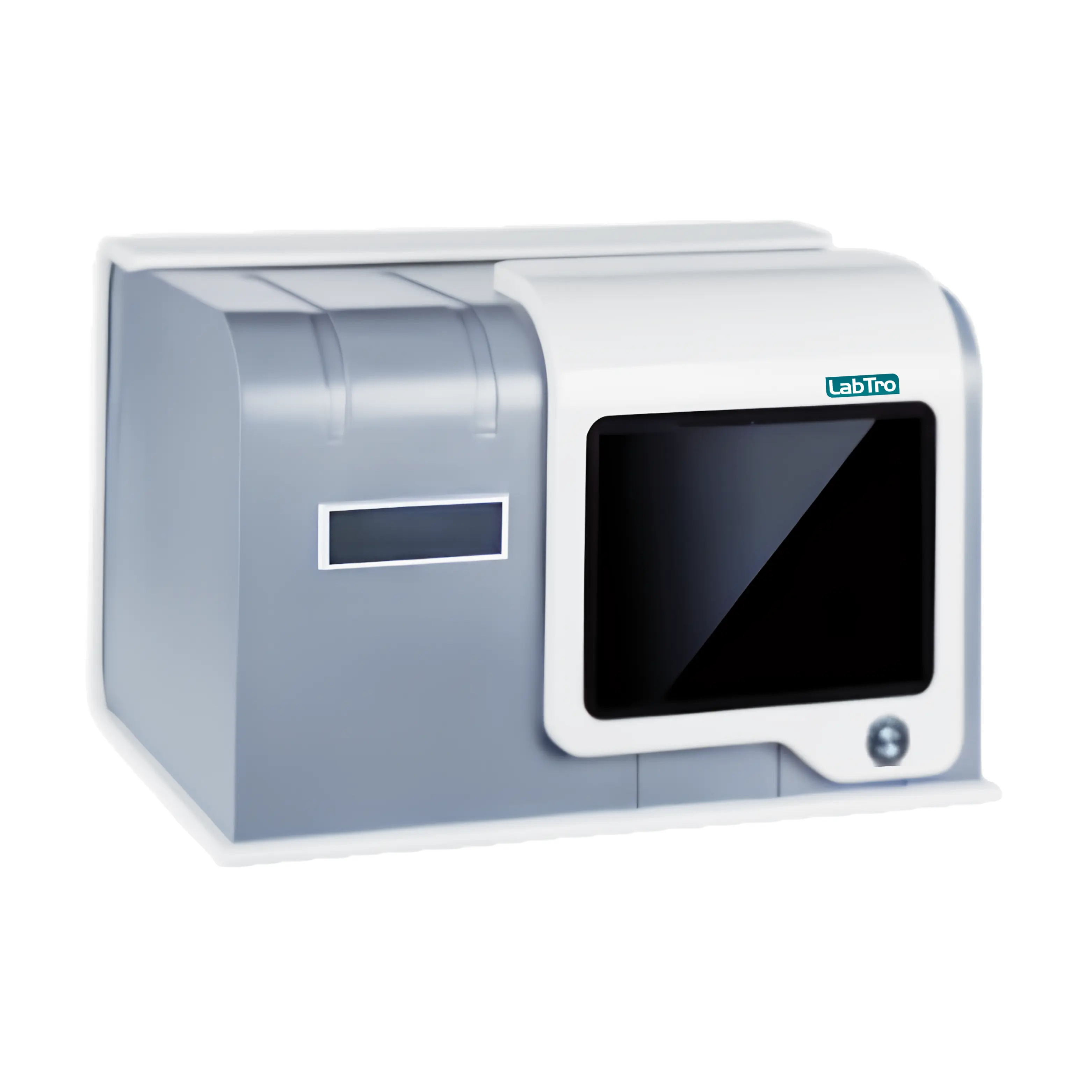
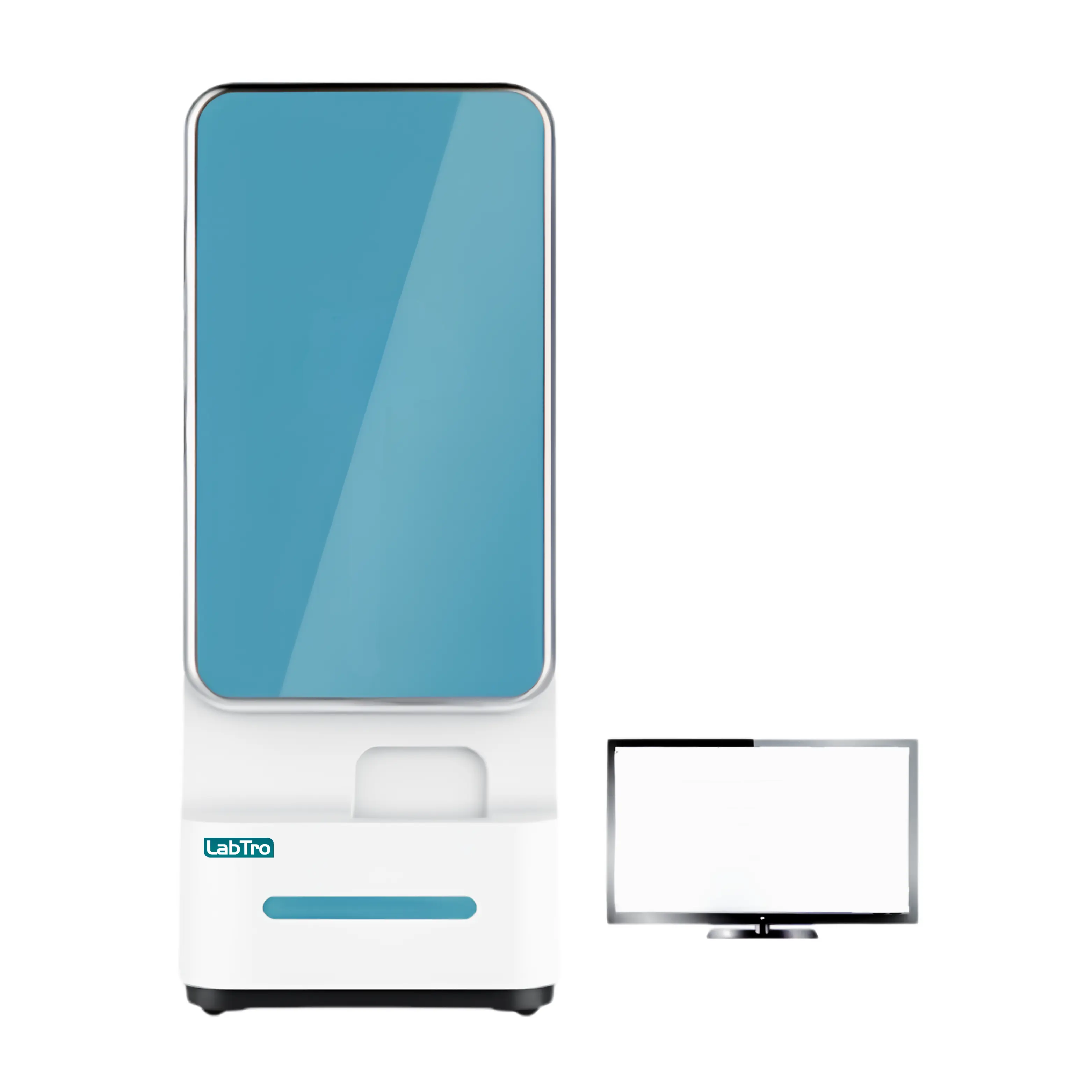

Microbial Identification System LT-MIS102

Microbial Identification System LT-MIS102

Labtro Microbial Identification System LT-MIS102 works by combining colorimetric microbial identification with turbidimetric antimicrobial susceptibility testing. A standardized microbial suspension is first prepared using the supplied turbidity meter and introduced into the 96-well composite test card containing identification substrates and antimicrobial agents. During incubation and analysis, the integrated reader detects color changes produced by biochemical reactions to identify the microorganism, while turbidimetric measurement evaluates microbial growth in the presence of different antibiotics. The system uses the micro-dilution method to determine MIC values and classify antimicrobial response as Susceptible, Intermediate, or Resistant (S.I.R.). Its expert-system software analyzes the results, supports interpretation for more than 200 antibiotics, and can flag resistance patterns such as MRSA, VRE, VRSA, HLAR, and ESBLs. Identification and AST results are then processed and reported through the integrated computer, with an optional automated sampler available for higher-throughput operation.

Qty:

$ 15,400.00

Specifications

System Function Microbial identification and antimicrobial susceptibility testing
Identification Principle Colorimetry
Susceptibility Testing Principle Turbidimetry
Susceptibility Testing Method Micro-dilution method
Growth Detection Method Turbidimetric measurement
Testing Mode Simultaneous ID and AST analysis
Throughput 60 to 120 samples/hour
Identification Range More than 500 routine microorganisms
Gram-Negative Coverage Enterobacteriaceae, non-fermentative bacteria and Vibrionaceae
Gram-Positive Coverage Staphylococcus, Micrococcus, Streptococcus and Enterococcus
Fungal Coverage Yeast-like fungi
Non-Fermentative Bacteria Detection Supported
Enterobacteriaceae Detection Supported
Vibrionaceae Detection Supported
Staphylococcus Detection Supported
Micrococcus Detection Supported
Streptococcus Detection Supported
Enterococcus Detection Supported
Yeast-Like Fungi Detection Supported
Expert System Integrated expert-system software
Antibiotic Interpretation Capacity More than 200 antibiotics
AST Result Type MIC and S.I.R. results
MIC Reporting Supported
Susceptibility Classification Susceptible / Intermediate / Resistant
Antibiotic Grouping A / B / C / U
Interpretation Standard According to CLSI regulations
Test Card Format 96-well composite plate
Test Card Function Microbial identification and antimicrobial susceptibility testing
Resistance Monitoring Supported
β-Lactam Resistance Monitoring Supported
VRE Monitoring Supported
VRSA Monitoring Supported
HLAR Monitoring Supported
ESBL Monitoring Supported
Reading System Integrated reader and reporting system
Data Processing System Integrated computer
Analysis Software Expert-system software
Turbidity Meter Standard configuration
Automated Sampling Device Optional
Auto-Sampler Throughput 60 to 80 plates/hour
Enterobacteriaceae Test Card 10 cards + relevant medium
Non-fermentative Bacteria / Vibrio Test Card 10 cards + relevant medium
Streptococcus Test Card 10 cards + relevant medium
Staphylococcus / Micrococcus Test Card 10 cards + relevant medium
Yeast-like Fungi Test Card 10 cards + relevant medium
Operating Atmospheric Pressure 76 to 106 kPa
Power Supply AC 110 to 240 V
Frequency 50/60 Hz
Dimensions 700 × 493 × 465 mm
Net Weight 32 kg

Features

  • Simultaneous ID and AST testing
    ↳ Performs microbial identification and antimicrobial susceptibility analysis within the same testing workflow

    Colorimetric microbial identification
    ↳ Evaluates biochemical reactions for routine microorganism identification

    Turbidimetric susceptibility testing
    ↳ Measures microbial growth response to antimicrobial agents

    Micro-dilution AST technology
    ↳ Generates MIC values together with S.I.R. interpretation

    Broad microorganism identification range
    ↳ Supports identification of more than 500 routine microorganisms

    Advanced expert-system software
    ↳ Provides high-accuracy result interpretation and guidance for more than 200 antibiotics

    CLSI-based antibiotic reporting
    ↳ Categorizes antibiotics into A, B, C and U groups for standardized interpretation

    Multiple drug-resistance monitoring
    ↳ Supports detection and monitoring of MRSA, VRE, VRSA, HLAR, ESBLs and β-lactam resistance

    96-well composite test cards
    ↳ Combines identification and susceptibility testing in a standardized plate format

    High testing throughput
    ↳ Processes 60 to 120 samples per hour

    Integrated reader and reporting computer
    ↳ Supports automated reading, analysis and reporting of test results

    Standard turbidity meter
    ↳ Supports preparation and verification of standardized microbial suspensions

    Optional automated sampler
    ↳ Handles approximately 60 to 80 plates per hour for increased workflow automation

Application

  • Clinical Microbiology Laboratories → Identification of bacterial and yeast isolates and antimicrobial susceptibility testing

    Hospitals → Supports microbiological diagnosis and selection of appropriate antimicrobial treatment

    Diagnostic Laboratories → Routine identification of Enterobacteriaceae, non-fermenters, Staphylococcus, Streptococcus, Enterococcus and yeast-like fungi

    Antimicrobial Susceptibility Testing → Determines MIC values and S.I.R. classification for antimicrobial agents

    Infection-Control Laboratories → Supports monitoring of multidrug-resistant microorganisms including MRSA, VRE, VRSA and ESBL-producing organisms

    Antimicrobial Stewardship Programs → Provides standardized susceptibility information that can assist clinicians in antimicrobial selection

    Medical and Research Institutions → Supports microorganism characterization and antimicrobial-response studies

Expert Help Desk