
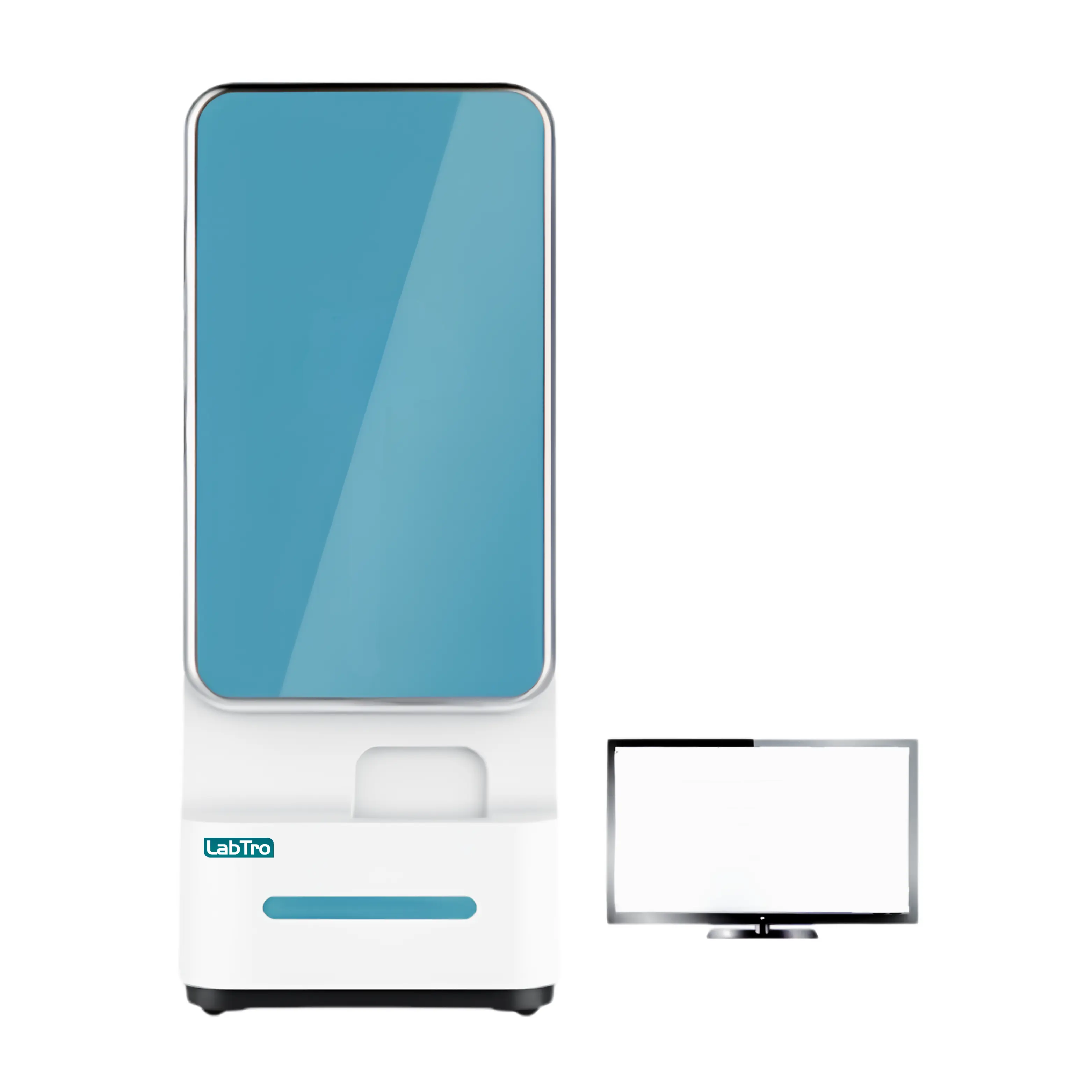
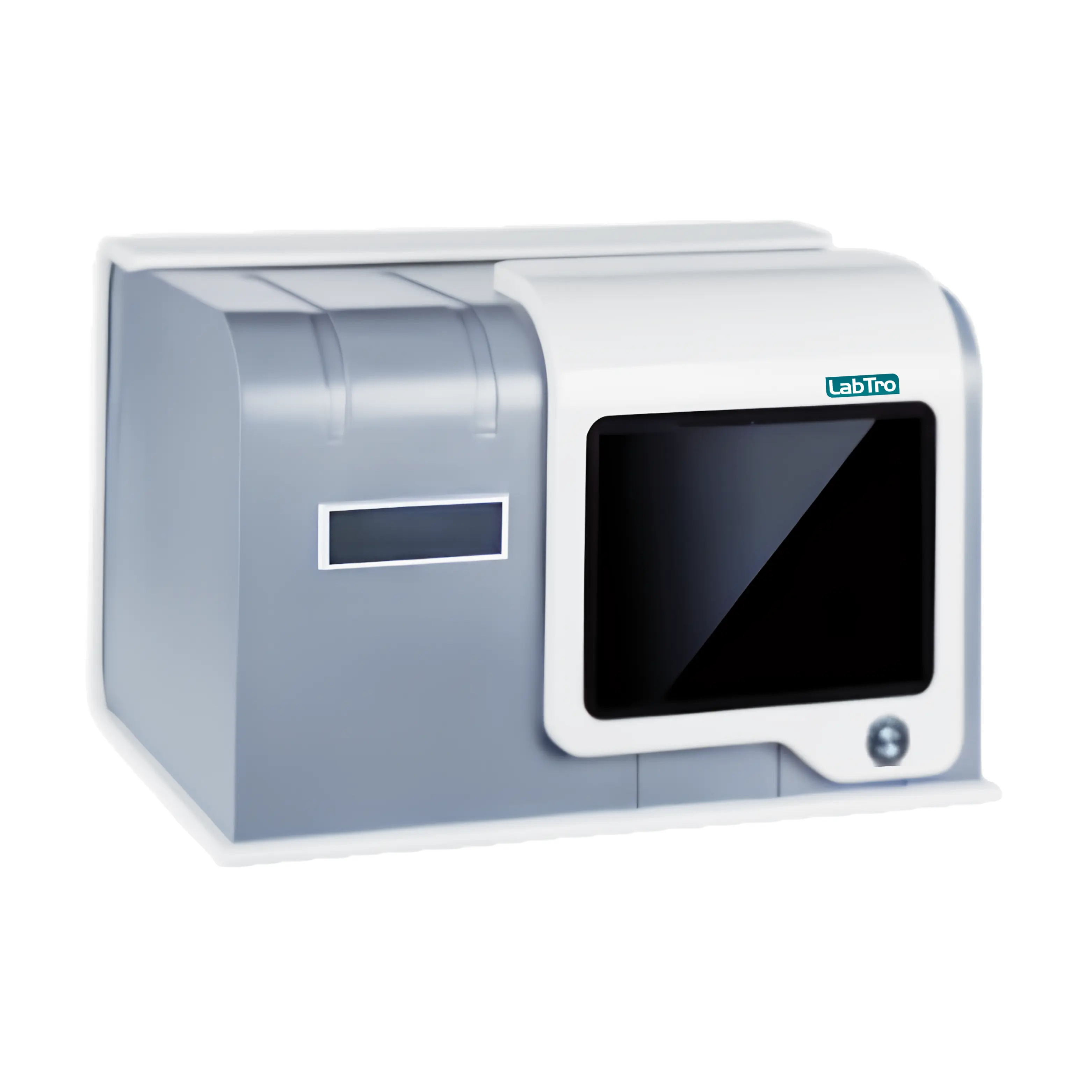

Air Sampler
View All
Microbial Air Sampler
Microbial Air Sampler LT-MAS101
Microbial Air Sampler LT-MAS102
Microbial Air Sampler LT-MAS103
Microbial Air Sampler LT-MAS104

FEATURED COLLECTION
Air Sampler
Explore Now
Autoclave
View All
Autoclave
Autoclave Steam Sterilizer LT-AS401
Bench Top Autoclave LT-BTA101
Bench Top Autoclave LT-BTA102
Bench Top Autoclave LT-BTA103
Horizontal Autoclave LT-HA101
Horizontal Autoclave
Horizontal Autoclave LT-HA102
Horizontal Autoclave LT-HA103
Horizontal Autoclave LT-HA104
Horizontal Autoclave LT-HA105
Horizontal Autoclave LT-HA106

FEATURED COLLECTION
Autoclave
Explore Now
Balance
View All
Microscope
View All
Biological Microscope
Biological Microscope LT-BM101
Biological Microscope LT-BM102
Biological Microscope LT-BM103
Biological Microscope LT-BM104
Biological Microscope LT-BM105
Biological Microscope
Biological Microscope LT-BM106
Biological Microscope LT-BM107
Biological Microscope LT-BM108
Biological Microscope LT-BM109
Biological Microscope LT-BM110

FEATURED COLLECTION
Microscope
Explore Now
Centrifuge
View All
Centrifuge
Blood Card Centrifuge LT-BCC1001
Blood Serum Centrifuge LT-BSC101
Cell Washer Centrifuge LT-CWC101
Gel Card Centrifuge LT-GC102
Gel Card Incubator Centrifuge LT-GIC101
High Speed Centrifuge
High-Speed Centrifuge LT-HC101
High-Speed Centrifuge LT-HC102
High-Speed Centrifuge LT-HC103
High-Speed Centrifuge LT-HC104
High-Speed Centrifuge LT-HC301

FEATURED COLLECTION
Centrifuge
Explore Now
Bath
View All
Bath
Constant Temperature Water Bath LT-CTB101
Constant Temperature Water Bath LT-CTB102
Constant Temperature Water Bath LT-CTB201
Constant Temperature Water Bath LT-CTB 202
Refrigerated Water Bath LT-RW201
Bath
Stainless Steel Water Bath LT-SSB301
Stainless Steel Water Bath LT-SSB302
Shaking Water Bath LT-SWB101
Shaking Water Bath LT-SWB102
Thermostatic Bath LT-TB101

FEATURED COLLECTION
Bath
Explore Now
Photometer
View All
Photometer
Aerosol Photometer LT-AP201
Flame Photometer LT-FP101
Flame Photometer LT-FP102
Flame Photometer LT-FP103
Flame Photometer LT-FP104

FEATURED COLLECTION
Photometer
Explore Now
Search suggestions will appear here.