Shop By Category
- -25°C Biomedical Freezer
- -25°C Chest Freezer
- -25°C Upright Freezer
- -40°C Upright Freezer
- -86°C Ultra Low Temperature Freezer
- -86°C Ultra-Low Chest Freezer
- -86°C Ultra-Low Vertical Freezer
- 1200°C Muffle Furnace
- Abbe Refractometer
- Advanced Thermal Cycler
- Aerosol Photometer
- Air Borne Particle Counter
- Air Sampler
- Analyzers
- Auto Refractometer
- Autoclave Steam Sterilizer
- Autoclave
- Automated Nucleic Acid Extractor
- Automatic Asphalt Tester
- Automatic Chemistry Analyzer
- Automatic Colony Counter
- Automatic Lifting Rotary Evaporator
- Automatic Microtome
- Automatic Tissue Processor
- Bacti Cinerator Sterilizer
- Bench Top Autoclave
- Biochemical Incubator
- Biochemistry Analyzer
- Biological Indicator Incubator
- Biological Microscope
- Biological Safety Cabinet Class II A2
- Biosafety Cabinets
- Blood Bag Tube Sealer
- Blood Bank Refrigerator
- Blood Card Centrifuge
- Blood Serum Centrifuge
- Blood Warmer
- Carbon-dioxide Incubator
- Cell Washer Centrifuge
- Chemiluminescence Imaging System
- Chiller
- Coating Thickness Gauge
- COD Thermoreactor
- Colony Counter
- Colorimeter
- Combined Refrigerator And Freezer
- Constant Temperature Water Bath
- Cryostat Microtome
- Dental Vacuum Autoclave
- Digital Automatic Polarimeter
- Digital Colony Counter
- Digital Hot Plate
- Digital Magnetic Hot Plate Stirrer
- Digital Multi Tester
- Digital Peristaltic Pump
- Double Beam UV-Vis Spectrophotometer
- Drug Test Chamber
- Dry Bath Incubator
- Drying Oven
- Environmental Test Chamber
- Fixed Volume Pipette
- Flame Photometer
- Fluorescence Quantitative PCR System
- Forced Air Vacuum Drying Oven
- Freeze Dryer
- Fume Hoods
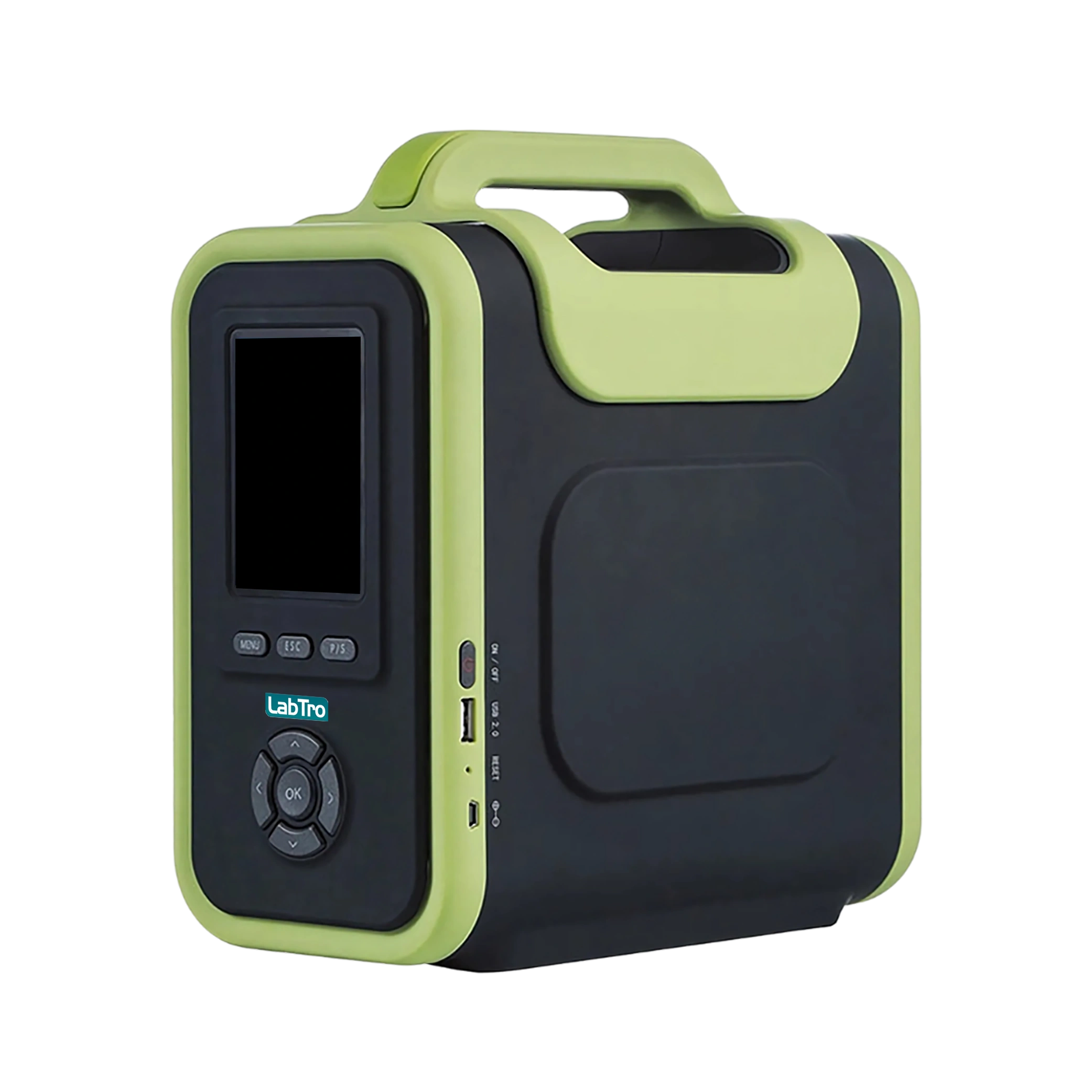
- Gas Analyzer
- Gas Detectors
- Gel Card Incubator Centrifuge
- Gel Electrophoresis 2D
- Gel Electrophoresis System
- Gel-Documentation Imaging System
- Gel-Documentation System
- Glass Bead Sterilizer
- Gradient Thermal Cycler
- Hematocrit Centrifuge
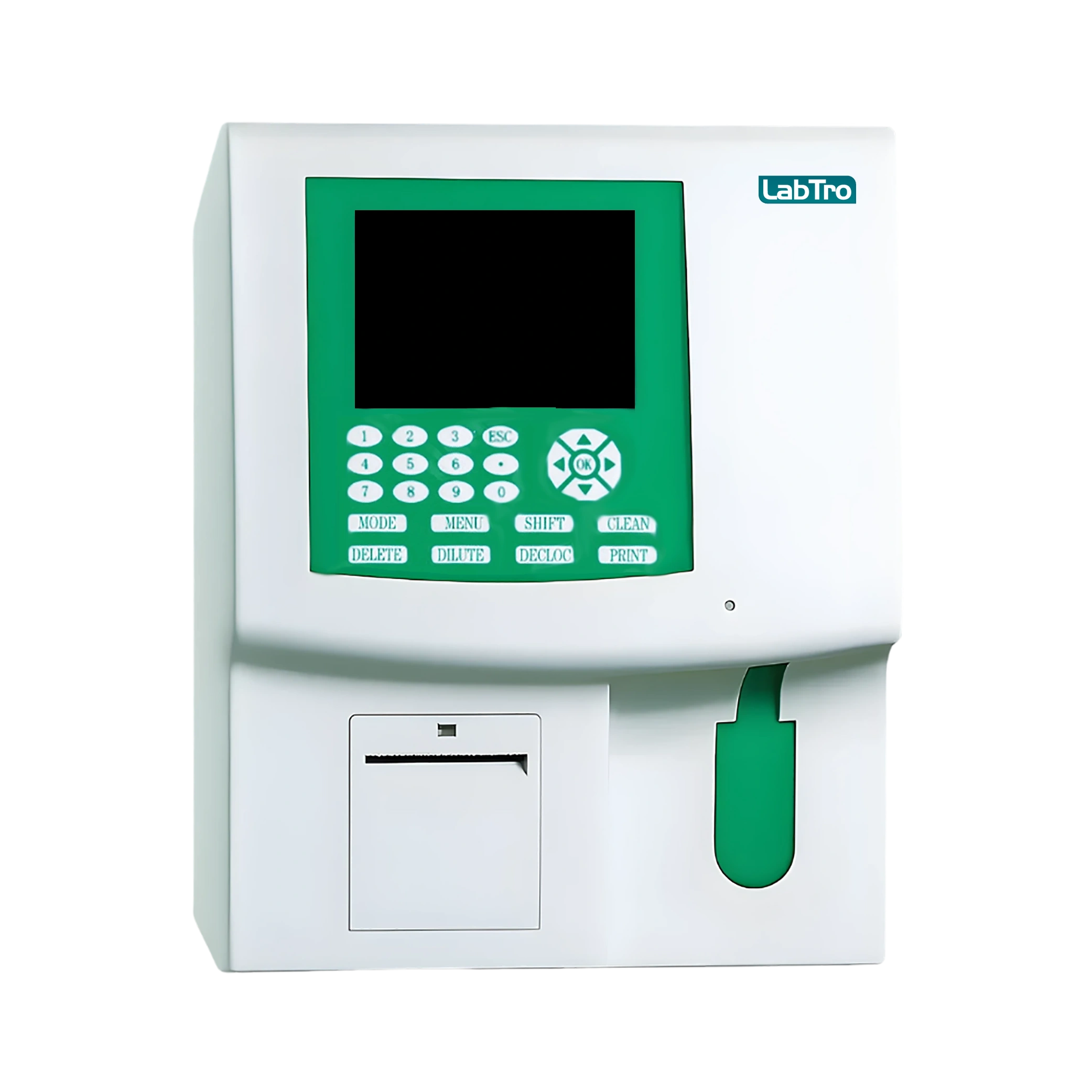
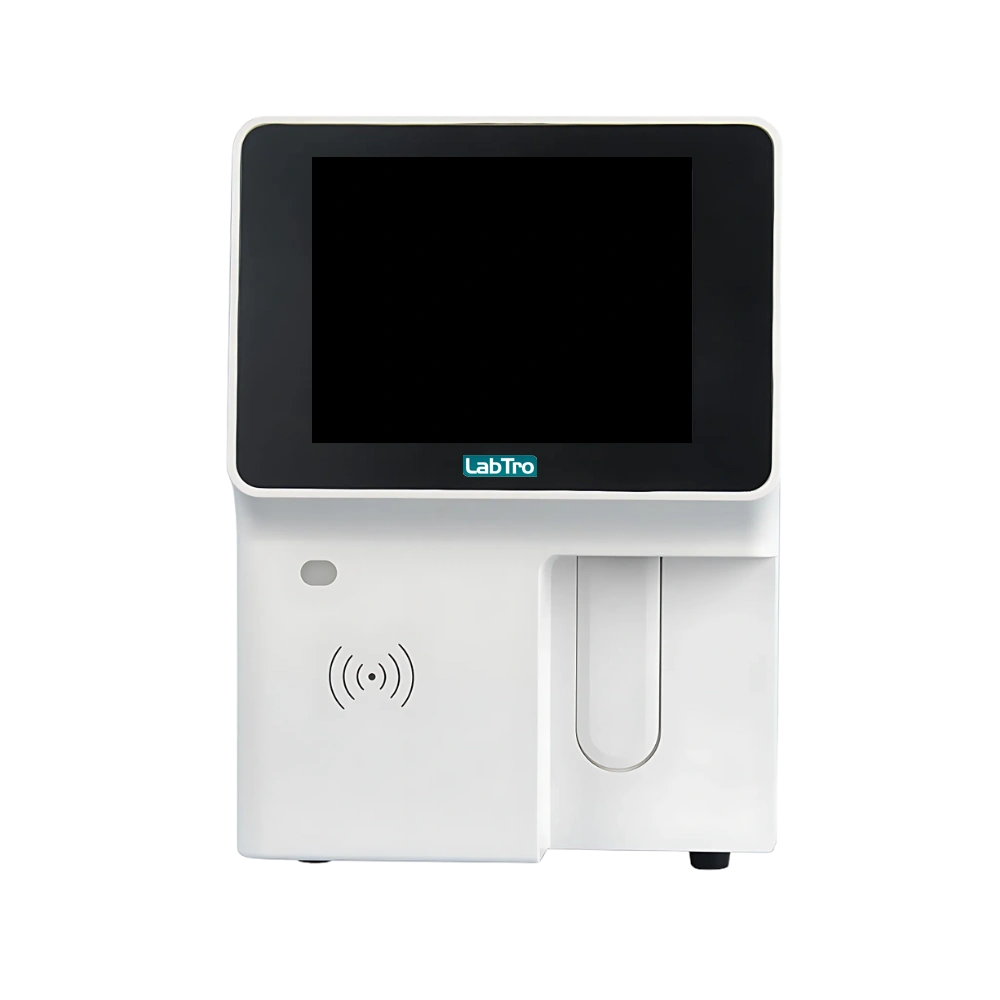
- Hematology Analyzer
- High Pressure Portable Autoclave
- High Speed Centrifuge
- High Speed Refrigerated Centrifuge
- High-Flow Peristaltic Pump
- Homogenizer
- Horizontal Autoclave
- Horizontal Gel Electrophoresis
- Horizontal Laminar Flow Cabinet
- Hot-Plate Magnetic Stirrer
- Imaging System
- Immunohistochemistry stainer
- Incubator
- Incubator Shaker
- Inverted Biological Microscope
- Inverted Fluorescence Microscope
- IVF Workstation
- Laboratory Balances
- Laboratory Centrifuge
- Laboratory Clean Bench
- Laboratory Freezers
- Laboratory Furnace
- Laboratory Mixers
- Laboratory Oven
- Laboratory Refrigerators
- Laminar Air Flow Sterilizer
- Laminar Flow Cabinet
- Large Capacity High Speed Refrigerated Centrifuge
- Large Capacity Low Speed Refrigerated Centrifuge
- Large Scale Freeze Dryer
- Laser Diffraction Particle Size Analyzer
- Laser Dust Particle Counter
- Lighting Incubator
- Linear Decolorizing Shaker
- Low Speed Refrigerated Centrifuge
- Low Speed Table Top Centrifuge
- Magnetic Sensor Analytical Balance
- Magnetic Stirrer
- Manual Lifting Rotary Evaporator
- Manual Polarimeter
- Melting Point Meter
- Micro Spectrophotometer
- Microbial Air Sampler
- Micropipettes
- Microplate Centrifuge
- Microplate Incubator
- Microplate Reader
- Microplate Reader And Washer
- Microplate Washer
- Microscope
- Microtome
- Mini Shaker
- Mixers And Vortexer
- Mold Incubator
- Multi Tube Vortex Mixer
- Multi-channel Hotplate Magnetic Stirrer
- Multi-Channel Pipette
- Nano Spectrophotometer
- Nucleic Acid Extractor
- Nucleic Acid Extractor System
- Orbital Shaker
- Overhead Stirrer
- Oxygen Concentrator
- Particle Counter
- Particle Size Analyzer
- PCR System
- Peristaltic Pump
- Petroleum Testing Equipment
- PH Meter
- Pharmacy Refrigerator
- Photometer
- Polarimeter
- Portable Dissolved Oxygen Meter
- Portable Gas Monitor
- Portable Ion Meter
- Portable PH Meter
- Portable Refractometer
- Portable Water Activity Meter
- Potentiometric Titrator
- Pulse Vacuum Autoclave
- Pulse Vacuum Sterilizer
- Pumps
- Real Time PCR
- Recirculating Chiller
- Refractometer
- Refrigerated Centrifuge
- Refrigerated Water Bath
- Rocking Shaker
- Roller Shaker
- Rotary Evaporator
- Rotary Microtome
- Rotary Mixer
- Rotation Mixer
- Rotational Viscometer
- Shaker
- Shaking Incubator
- Spectrophotometer
- Spirometer
- Stainers
- Stainless Steel Fume Hood
- Stainless Steel Water Distiller
- Steam Sterilizer
- Stereo Microscope
- Sterilizer
- Stirrers
- Strong Illumination Test Chamber
- Table Top Autoclave
- Temperature And Humidity Test Chamber
- Test Chamber
- Thermal Cycler
- Thermostatic Bath
- Thermostatic Incubator
- Thermostatic Refractometer
- Thermostatic Water Bath
- Thickness Gauge
- Titrator
- Tube Roller Mixer
- Ultrasonic Cleaner
- Ultrasonic Homogenizer
- Vacuum Drying Oven
- Vacuum Freeze Dryer
- Variable Speed Peristaltic Pump
- Variable Volume Pipette
- Vertical Autoclave
- Vertical Clean Bench
- Vibrating Microtome
- Vibration Meter
- Viscometer
- Vortex Mixer
- Water Bath
- Water Circulating Vacuum Pump
- Water Distillers
- Water Quality Analyzer
- Water Quality Meters
- Water Testing Equipment
- Water-Jacketed CO2 Incubator